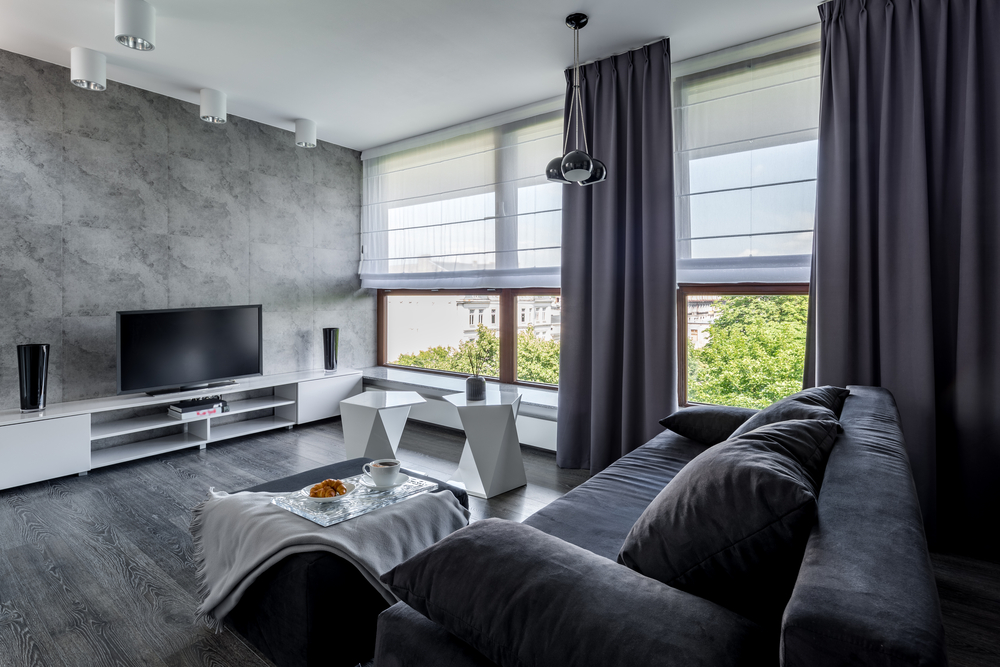
Window Treatment Layering 101: Combining Blinds, Shades, and Curtains for Maximum Style
Have you ever walked into a beautifully designed room and felt instantly drawn to the windows, unable to put your finger on why they look so perfectly polished and intentional? The secret often lies not in a single stunning window treatment, but in the artful combination of multiple layers working together like instruments in an orchestra.
Just as a skilled conductor knows that a solo violin sounds beautiful but a violin paired with complementary instruments creates something truly magical, the most striking windows combine different treatments to achieve both stunning aesthetics and practical functionality.
So here’s the question that could transform your entire living space: what if your windows could do more than just look good or block light, but could actually become the sophisticated focal point that elevates your entire room’s design while solving multiple functional challenges at once?
The art of window treatment layering has become increasingly popular among interior designers and homeowners who want to maximize both style and function from their windows. This technique involves combining different types of window coverings to create depth, visual interest, and enhanced light control while addressing multiple practical needs simultaneously. When done correctly, layered window treatments in Avalon, NJ and the surrounding areas can transform ordinary windows into stunning architectural features that serve as the room’s centerpiece.
Understanding the Foundation of Window Treatment Layering
Before diving into specific layering techniques, it’s essential to understand the fundamental principle behind successful window treatment combinations. The key lies in selecting treatments that complement rather than compete with each other, where each layer serves a distinct purpose while contributing to an overall cohesive look.
The Primary Layer: Your Foundation Treatment
This is typically your main window covering, often a blind or shade that provides the primary light control and privacy functions. Hunter Douglas offers exceptional foundation options including their Duette Honeycomb Shades, which provide excellent insulation and light filtering capabilities, or their wood and faux wood blinds like the Parkland and Everwood collections that offer precise light control with classic appeal.
The Secondary Layer: Enhancing Function and Style
This layer usually adds either additional light control, privacy, or decorative elements. Roman shades, roller shades, or additional specialized treatments often serve this role, providing complementary functionality while enhancing the visual appeal.
The Finishing Layer: Pure Aesthetics
The final layer typically focuses on style and softness, often involving curtains or drapery panels that frame the window and add textile interest to the room. This layer is where personality and color can really shine through.
Understanding these three basic layers provides the framework for creating successful combinations, but the real artistry comes in selecting specific products that work harmoniously together while meeting your functional requirements.
The Science Behind Successful Layering Combinations
Effective window treatment layering isn’t just about aesthetics; it involves understanding how different materials, textures, and functions interact to create superior performance. The science behind successful combinations considers light transmission, insulation properties, maintenance requirements, and visual weight distribution.
Light Control Layering
Different window treatments filter, block, and redirect light in various ways. When layered properly, you can achieve unprecedented control over natural light in your space. For example, combining light-filtering honeycomb shades with blackout curtains gives you the flexibility to enjoy soft, diffused light during the day while achieving complete darkness for sleep or media viewing.
Insulation and Energy Efficiency
Layering creates multiple air pockets between window treatments, significantly improving insulation properties. Hunter Douglas Duette Architella shades already provide excellent insulation with their honeycomb construction, but when combined with curtains, the energy efficiency increases substantially, potentially qualifying for federal energy tax credits.
Visual Weight and Proportion
Successfully layered windows and custom window treatments on the Main Line require careful consideration of visual weight. Heavier treatments like thick curtains need to be balanced with lighter treatments like cellular shades, while the proportions must complement the window size and room scale.
Texture and Material Harmony
The interplay between different textures creates visual interest and depth. Smooth roller shades paired with textured curtains, or sleek metal blinds combined with soft fabric treatments, create compelling contrasts that enhance the overall design.
Foundation Layer Options: Starting Strong
The foundation layer sets the stage for your entire layering scheme, making the initial choice crucial for both function and future aesthetic success. The Blind Gallery specializes in several excellent foundation options that work beautifully as base layers for more complex treatments.
Hunter Douglas Duette Honeycomb Shades as Foundation
Duette shades excel as foundation layers because of their excellent light filtering capabilities and energy efficiency. Their clean lines and variety of opacity options make them ideal partners for additional decorative layers. The honeycomb construction provides insulation benefits while maintaining a sleek profile that doesn’t compete with subsequent layers.
When using Duette shades as your foundation, consider the opacity level carefully. Light-filtering options work well when you plan to add curtains for privacy, while blackout versions might be overkill if you’re adding blackout curtains as a finishing layer.
Wood and Faux Wood Blinds as Foundation
Hunter Douglas Parkland and Everwood blinds provide exceptional foundation options for layering schemes. Their horizontal lines create strong architectural elements that pair beautifully with flowing curtain treatments. The ability to tilt slats for precise light control makes them excellent functional foundations that maintain their utility even when dressed up with additional layers.
Wood blinds work particularly well in traditional and transitional design schemes, while faux wood options offer superior moisture resistance for kitchens and bathrooms where layering might include moisture-resistant curtain materials.
Roller and Roman Shades as Foundation
Hunter Douglas roller shades offer clean, modern foundation options that practically disappear when raised, allowing decorative layers to take center stage. Roman shades provide more structured foundation options with built-in style that can anchor more elaborate layering schemes.
These foundation options work particularly well when the primary goal is style enhancement rather than maximum light control, as they provide basic functionality while allowing decorative layers to provide the visual impact.
Secondary Layer Strategies: Adding Functionality
The secondary layer is where layering schemes often become more creative and personalized. This layer typically addresses specific functional needs while beginning to introduce more decorative elements into the window treatment combination.
Privacy Enhancement Layers
When your foundation layer provides good light control but insufficient privacy, secondary layers can address this need without sacrificing the benefits of your primary treatment. Sheer roller shades or light-filtering cellular shades can add privacy during the day while maintaining the ability to see out and allow natural light to enter.
This approach works particularly well in living areas where you want to maintain connection with the outdoors during the day but need privacy options for evening hours.
Light Control Refinement
Secondary layers allow for fine-tuning of light control in ways that single treatments cannot achieve. Adding a room-darkening roller shade behind decorative Roman shades, for example, provides the flexibility to achieve various light levels throughout the day while maintaining an attractive appearance from both inside and outside the home.
Seasonal Adaptability
Secondary layers can provide seasonal functionality that makes your window treatments more versatile throughout the year. Light-filtering layers might be perfect for spring and summer, while adding thermal or blackout secondary layers helps with energy efficiency during winter months.
Finishing Touches: The Decorative Layer
The finishing layer is where personality, color, and style preferences really shine through in layered window treatments. This layer typically involves curtains or drapery panels that frame the functional layers while adding textile interest and softening the overall appearance.
Curtain Panel Placement and Proportions
The placement of curtain panels significantly affects the success of your layering scheme. Panels mounted well beyond the window frame create the illusion of larger windows while ensuring that the functional layers remain easily accessible. The height of curtain panels also impacts the overall proportions, with ceiling-mounted options creating more dramatic effects.
Consider the weight and fullness of curtain panels carefully. Fuller curtains create more luxurious appearances but can overwhelm smaller windows or compete with detailed functional layers. The goal is complement, not competition.
Color and Pattern Integration
The finishing layer provides the primary opportunity to introduce color and pattern into your window treatment scheme. Since functional layers often work best in neutral tones, the decorative curtain layer can bring in accent colors that coordinate with your room’s color palette.
When working with patterned curtains, ensure that the patterns don’t conflict with any patterns in your secondary layers. Generally, it’s best to limit patterns to one layer while keeping other layers solid or subtly textured.
Fabric Selection for Layering
The fabric choice for your finishing layer affects both appearance and functionality. Heavy fabrics provide more insulation and light blocking capabilities, while lighter fabrics focus primarily on aesthetics. Consider how the fabric choice affects the overall visual weight of your layered treatment.
Layering Combinations That Actually Work
| Foundation Layer | Secondary Layer | Finishing Layer | Best Rooms | Key Benefits |
| Duette Light-Filtering Shades | None needed | Flowing curtain panels | Living rooms, bedrooms | Energy efficiency + soft aesthetics |
| Wood Blinds (Parkland/Everwood) | Sheer roller shades | Decorative valance or panels | Home offices, kitchens | Precise light control + style |
| Roller Shades (room darkening) | None needed | Bold patterned curtains | Bedrooms, media rooms | Maximum light control + dramatic style |
| Roman Shades | Light-filtering cellular | Coordinating curtain panels | Dining rooms, formal living | Structured elegance + functionality |
| Honeycomb Shades (blackout) | None needed | Sheer curtain panels | Bedrooms, nurseries | Sleep optimization + gentle morning light |
| Faux Wood Blinds | Moisture-resistant roller | Café curtains | Bathrooms, laundry rooms | Humidity resistance + privacy options |
Professional Installation Considerations for Layered Treatments
Professional installation becomes crucial for layered treatments because of several complex requirements:
- Mounting Depth Planning: Multiple treatments need specific clearances from windows and each other to operate without interference.
- Hardware Coordination: More mounting points require proper load distribution and coordinated hardware finishes for clean appearances.
- Motorization Integration: PowerView automation can control multiple layers independently or together in programmed scenes.
Professional installers prevent common DIY problems like treatments that bind against each other or curtains catching on blinds.
Common Layering Mistakes and How to Avoid Them
Even with good intentions, several common mistakes can undermine the success of layered window treatments. Understanding these potential pitfalls helps ensure your investment in layered treatments achieves the desired results.
Over-Layering and Visual Clutter
The temptation to add multiple layers can sometimes result in overly complex treatments that create visual clutter rather than sophisticated style. The most successful layered treatments typically involve two to three layers maximum, with each serving a clear functional or aesthetic purpose.
More layers don’t automatically create better results. Sometimes a simple combination of quality blinds with well-chosen curtain panels creates more impact than complex multi-layer schemes.
Ignoring Proportional Relationships
Window treatments must be proportional to both the window size and the room scale. Layering can easily throw off these proportions if not carefully planned. Large, dramatic layered treatments can overwhelm small windows, while minimal layering might look inadequate on large window walls.
Professional design consultation helps ensure that layering choices enhance rather than detract from your room’s proportions.
Conflicting Operational Directions
Different window treatments operate in different directions and patterns. Mixing treatments that conflict operationally can create frustration and reduce the practical benefits of layering. For example, combining vertical blinds with curtains that also stack vertically can create operational conflicts.
Planning the operational aspects of layered treatments ensures that each layer can be used independently and that the combinations make sense for daily living patterns.
Color and Pattern Conflicts
While the finishing layer provides opportunities for color and pattern introduction, it’s possible to create combinations that conflict rather than coordinate. Successful layering requires understanding how colors and patterns interact across multiple layers and ensuring harmony rather than competition.
Maintenance and Care for Layered Window Treatments
Layered window treatments require more comprehensive maintenance planning than single treatments, but proper care ensures long-lasting beauty and functionality. Different materials and treatment types have specific care requirements that must be considered in layered systems.
Cleaning Schedule Coordination
Different layers may require different cleaning frequencies and methods. Hunter Douglas blinds and shades typically need less frequent deep cleaning than fabric curtains, but regular dusting maintains their appearance. Coordinating cleaning schedules ensures that all layers remain attractive and functional.
Professional cleaning services understand the specific requirements of different Hunter Douglas products and can provide appropriate care that maintains warranty coverage while preserving appearance.
Accessing Inner Layers
Layered treatments can make it more challenging to access inner layers for cleaning and maintenance. Planning for this access during installation prevents later problems and ensures that all treatments can be properly maintained throughout their lifespan.
Some layering schemes benefit from treatments that can be easily removed for cleaning, while others work better with treatments that can be cleaned in place.
Seasonal Adjustments and Flexibility
One of the greatest benefits of layered window treatments is the flexibility they provide for seasonal adjustments and changing needs. Understanding how to adjust your layered treatments seasonally maximizes both comfort and energy efficiency throughout the year.
Winter Configuration for Energy Efficiency
During colder months, layered treatments can be configured to maximize insulation and heat retention. Closing multiple layers creates additional air pockets that improve thermal performance, while strategic opening of certain layers allows beneficial solar gain during sunny winter days.
Hunter Douglas Duette shades excel in winter configurations, and when combined with curtain layers, can significantly reduce heating costs while maintaining attractive appearances.
Summer Configuration for Cooling
Summer configurations focus on blocking heat gain while maintaining natural light and views. Different layers can be adjusted throughout the day to follow the sun’s path and prevent overheating while preserving the ability to enjoy outdoor views during cooler morning and evening hours.
Transition Season Flexibility
Spring and fall seasons benefit from the flexibility that layered treatments provide. Rapidly changing weather and light conditions can be accommodated by adjusting different layers rather than living with compromise positions that single treatments require.
The Investment Value of Professional Layering
Understanding the investment value of professional layering:
- Energy Efficiency Returns: Properly layered treatments significantly reduce energy costs through improved insulation. Hunter Douglas treatments may qualify for federal tax credits, with measurable utility bill reductions when combined in layered systems.
- Aesthetic Longevity: Layered treatments create timeless, sophisticated appearances that transcend trends, providing aesthetic value for many more years than single treatments.
- Functional Versatility: Flexibility allows adaptation to changing needs over time. As family situations evolve, layered treatments can often be reconfigured rather than replaced.
Elevating Your Windows to Art With The Blind Gallery
Creating successful layered window treatments requires expertise in product selection, design coordination, and professional installation. The Blind Gallery’s experience with Hunter Douglas products and layering techniques ensures that your investment achieves the desired results while avoiding common pitfalls.
The free design consultation service helps homeowners understand which layering combinations will work best for their specific windows, room functions, and aesthetic preferences. Our professional guidance prevents costly mistakes and ensures that layering investments provide maximum value and satisfaction.
Professional installation ensures that complex layered systems operate smoothly and maintain their appearance over time. The experience and expertise we bring to layered installations often makes the difference between good results and exceptional outcomes that exceed expectations. Contact us today to make your windows multi-faceted and multi-functional.